
Expert Tips for Preventing Cyber Threats in Small to Medium Businesses
Understanding the Importance of Cybersecurity
In today's digital age, small to medium businesses (SMBs) face increasing cyber threats. While large corporations often have robust cybersecurity measures, SMBs may lack the resources to implement the same level of security. However, protecting your business from cyber threats is crucial. A single breach can lead to financial loss, reputational damage, and legal complications.
SMBs must prioritize cybersecurity to safeguard sensitive information and maintain trust with their customers. Understanding the potential risks and implementing effective strategies can make a significant difference.
Conducting a Risk Assessment
Before implementing security measures, it's essential to understand your business's specific risks. Conducting a comprehensive risk assessment can help identify vulnerabilities. Evaluate your current security infrastructure and determine where improvements are needed.
Consider the types of data you handle, the potential threats, and the impact a breach could have on your business. This assessment will guide your cybersecurity strategy, ensuring you focus on areas that need the most attention.
Creating a Security Plan
Once risks are identified, develop a cybersecurity plan tailored to your business needs. This plan should include policies and procedures for data protection, employee training, and incident response. Clearly outline roles and responsibilities to ensure everyone knows their part in maintaining security.

Implementing Strong Password Policies
One of the simplest yet most effective ways to enhance security is by implementing strong password policies. Encourage employees to use complex passwords that include a mix of letters, numbers, and symbols. Regularly update passwords and avoid using the same password across multiple accounts.
Consider using password management tools to help employees manage their credentials securely. This reduces the risk of weak passwords and makes it easier for staff to follow security protocols.
Utilizing Multi-Factor Authentication
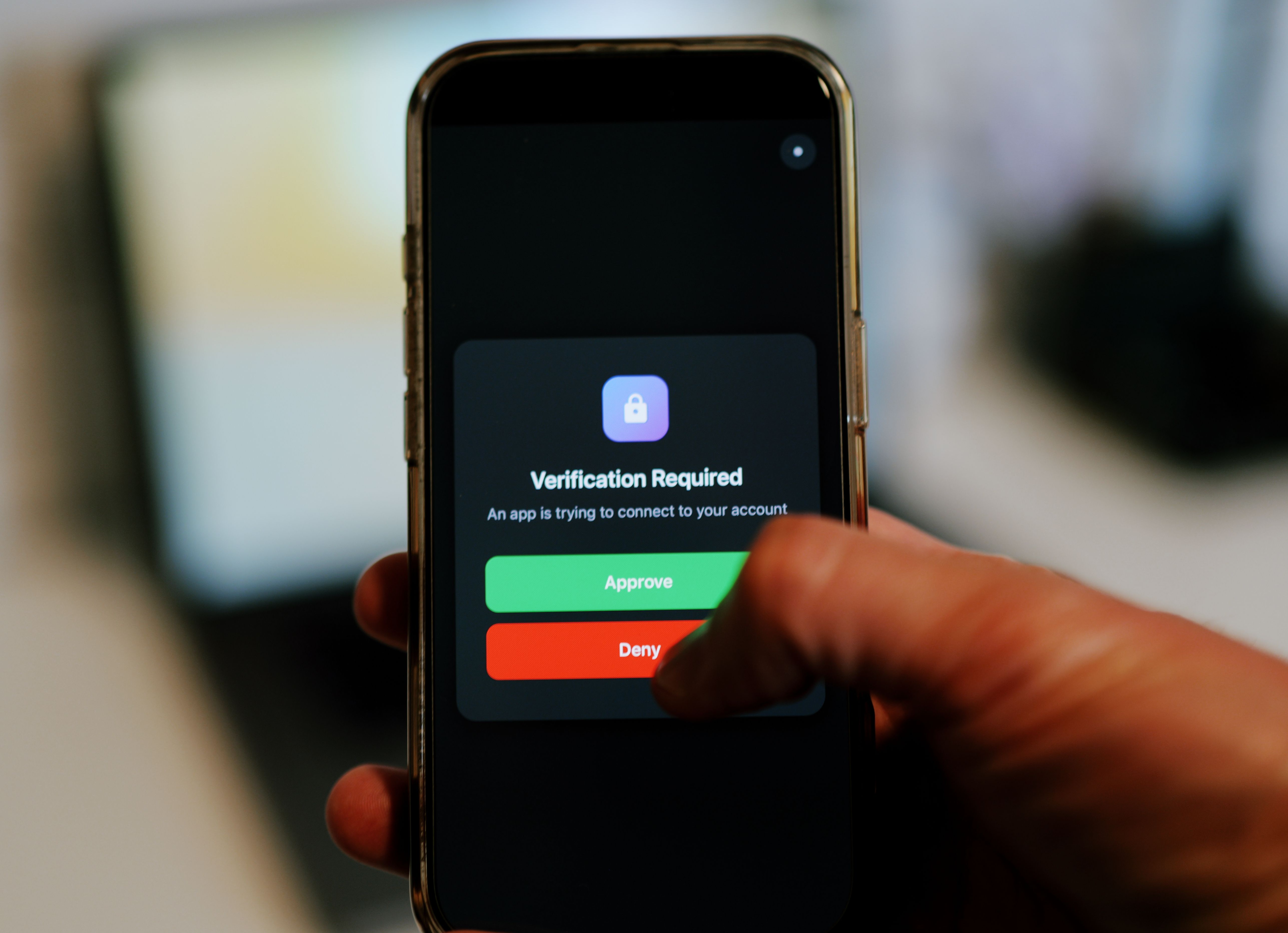
Multi-factor authentication (MFA) adds an extra layer of security by requiring users to verify their identity through multiple means. Even if a password is compromised, MFA can prevent unauthorized access. Implement MFA wherever possible, especially for sensitive systems and data.
Regular Software Updates
Keeping software up to date is crucial in protecting against cyber threats. Software updates often include patches for known vulnerabilities. Ensure all systems, applications, and devices are regularly updated to minimize the risk of exploitation.
Consider enabling automatic updates to streamline this process. This proactive approach helps protect your business from emerging threats without requiring constant manual intervention.
Employee Training and Awareness
Employees play a vital role in maintaining cybersecurity. Regular training sessions can increase awareness of potential threats and teach employees how to respond appropriately. Topics should include identifying phishing emails, safe browsing practices, and the importance of data protection.
Encourage a culture of security where employees feel responsible for protecting company data. Regularly update them on new threats and best practices to keep their knowledge current.

Conclusion
Preventing cyber threats in small to medium businesses requires ongoing effort and commitment. By understanding the risks, implementing robust security measures, and fostering a culture of awareness, you can significantly reduce the likelihood of a cyber incident. Prioritizing cybersecurity not only protects your business but also strengthens trust with your customers and partners.